UzhNU students got creative to promote waste sorting and gained new knowledge at an eco-party
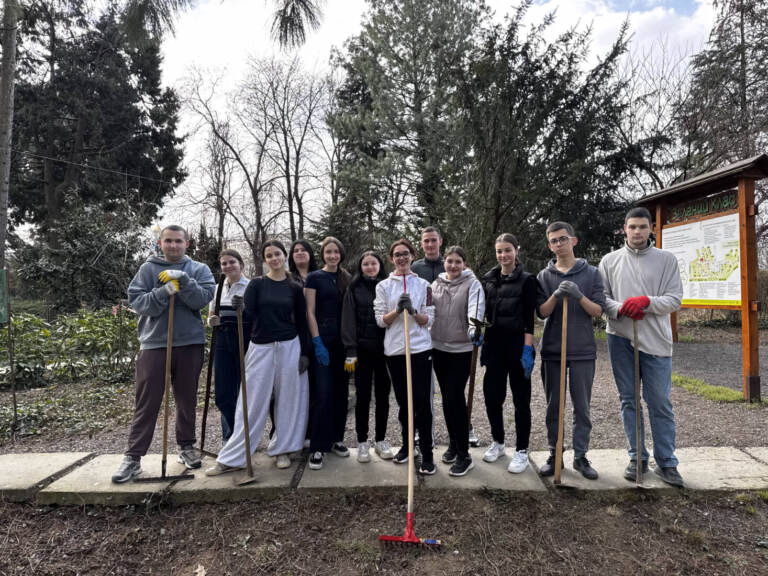
The YouthHub recently hosted its second eco-party, “Together on the Eco-Wave.” At the event, socially conscious young people learned more about implementing environmental initiatives in the city, debunked myths about recycling, and shared their own ideas for promoting eco-awareness among city residents.

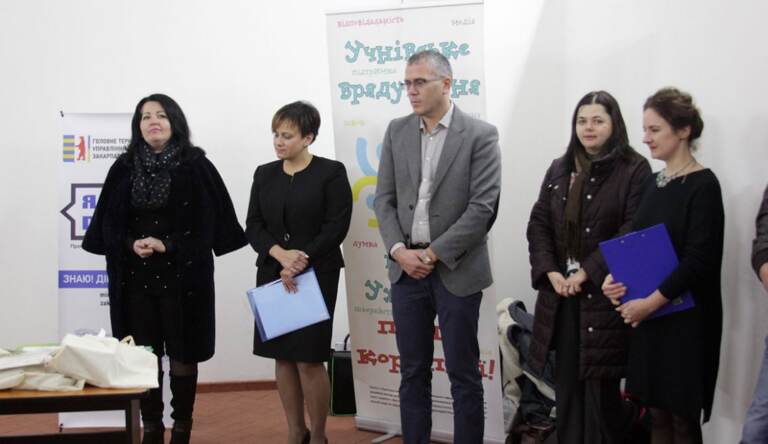
Alona Almashiy, Director of the Center for Innovation and Development at Uzhhorod National University, says: “We are organizing this event in collaboration with the non-governmental organization ‘Green City’ and the Department of Culture, Youth, and Sports of the Uzhhorod City Council. It’s wonderful that such eco-initiatives bring together different segments of the population. About 30 people have registered for the eco-party, including students and faculty, school teachers and students, and city residents who care about environmental issues. This format is easier to engage with than traditional lectures because it’s informal education. Our guests will talk about waste sorting and their activities, and at the end, participants will present their ideas for implementing and promoting eco-initiatives in the city.”
Recycling bins have been installed in the buildings of UzhNU for about two years now, says Alona Almashiy. Currently, glass, paper, plastic, and batteries are sorted in collaboration with the Recycling Collection Station (3 Proektna Street). Every week, company representatives pick up the full bins of sorted recyclables.
According to Ruslan Shvarts, head of the Recycling Collection Station, the university sends about half a ton of recyclables for processing every month. “We’ve installed indoor and outdoor containers for sorting. At the eco-party, I want to debunk popular myths about waste sorting in Ukraine. For example, one of the most common ones is that even after sorting, everything is dumped into a single bin and taken to a solid waste landfill. In reality, however, various types of waste are actively collected and recycled in Ukraine. Since the eco-initiative began at the university, the quality of sorting has improved: people have a better understanding of what can be recycled and what cannot. The Chemistry Department is currently the most active in sorting.”
Currently, in cooperation with AVE Uzhhorod LLC, the number of sorting containers will increase, and the list of materials that can be sent for recycling will also expand somewhat.
шорткод!
“At the start of the full-scale war, recycling rates dropped sharply—people simply didn’t have the time or energy for it,” says Natalia Yakubik, director of AVE Uzhhorod LLC. “But now, compared to 2021—when Uzhhorod residents were recycling the most—the amount of sorted waste has doubled, and the figure continues to rise every year. Our collaboration with the university is just getting started, and we’ll be signing a memorandum soon. We’ve already ordered large containers for the separate collection of recyclables. They’ll be placed on the street near all the dormitories and academic buildings. From now on, it will also be possible to sort Tetra Paks, aluminum cans, and steel cans. Of course, all recyclables must be clean. We have also begun construction of an eco-island across from the 4th dormitory; we hope this will resonate with students.”

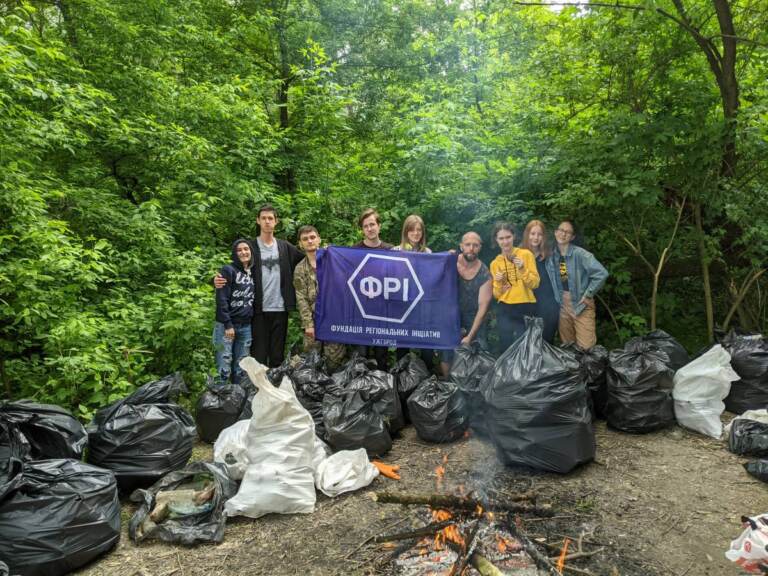
Also among the invited guests were Anna Sabadosh, head of the NGO “Green City,” and blogger Mark Melnichenko. Anna told the guests about the eco-initiatives that “Green City” has implemented in collaboration with UzhNU. These include eco-cleanups, film screenings, lectures, and more. Mark shared his experience of living in an eco-hut outside the city and promoting trash cleanup in exchange for gifts.
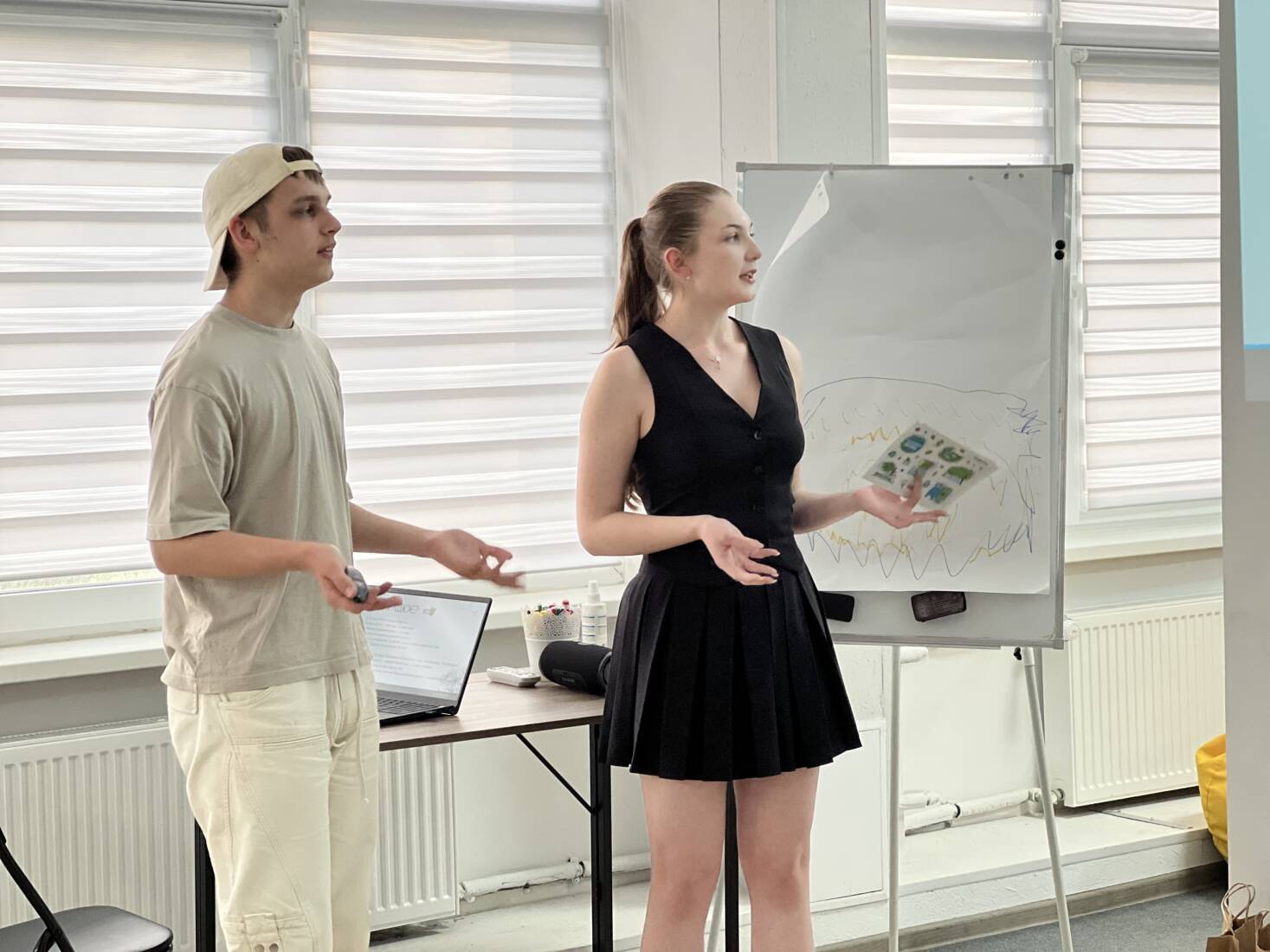
Then, the event participants presented their ideas. Students proposed musical bins for sorting trash to promote this idea and make it more interactive; they presented a business plan for manufacturing building materials from waste; and they raised the issue of making handmade candles and soap and their lower environmental impact compared to factory-made ones.
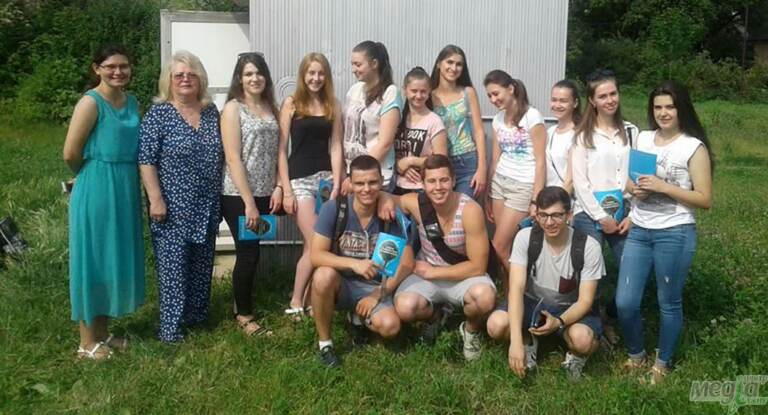
In the end, Natalia Yakubik announced the winners—students from the Faculty of Philology—who received a gift certificate worth 10,000 hryvnias to be used for electronics at one of the city’s popular stores. Each participant also received a commemorative gift at the end of the event.
Ksenia Shokina